More Than Just Arepas!
From Curious to Obsessed: My Food Journey in Colombia.
SERENA DI MATTEO
I’m going to take you on the exact journey I went on — the one where I landed in Colombia knowing almost nothing about the food… and left slightly obsessed.
Before this trip, if you had asked me about Colombian cuisine, I would’ve confidently said: arepas… and… more arepas? Maybe an empanada if I was feeling adventurous.
What I didn’t realise is that Colombian food is like the country itself — wildly diverse, shaped by geography, layered with history, and impossible to summarise in one sentence.
So come with me. We’re starting at the coast.
Stop 1: Cartagena – Caribbean Sunshine on a Plate
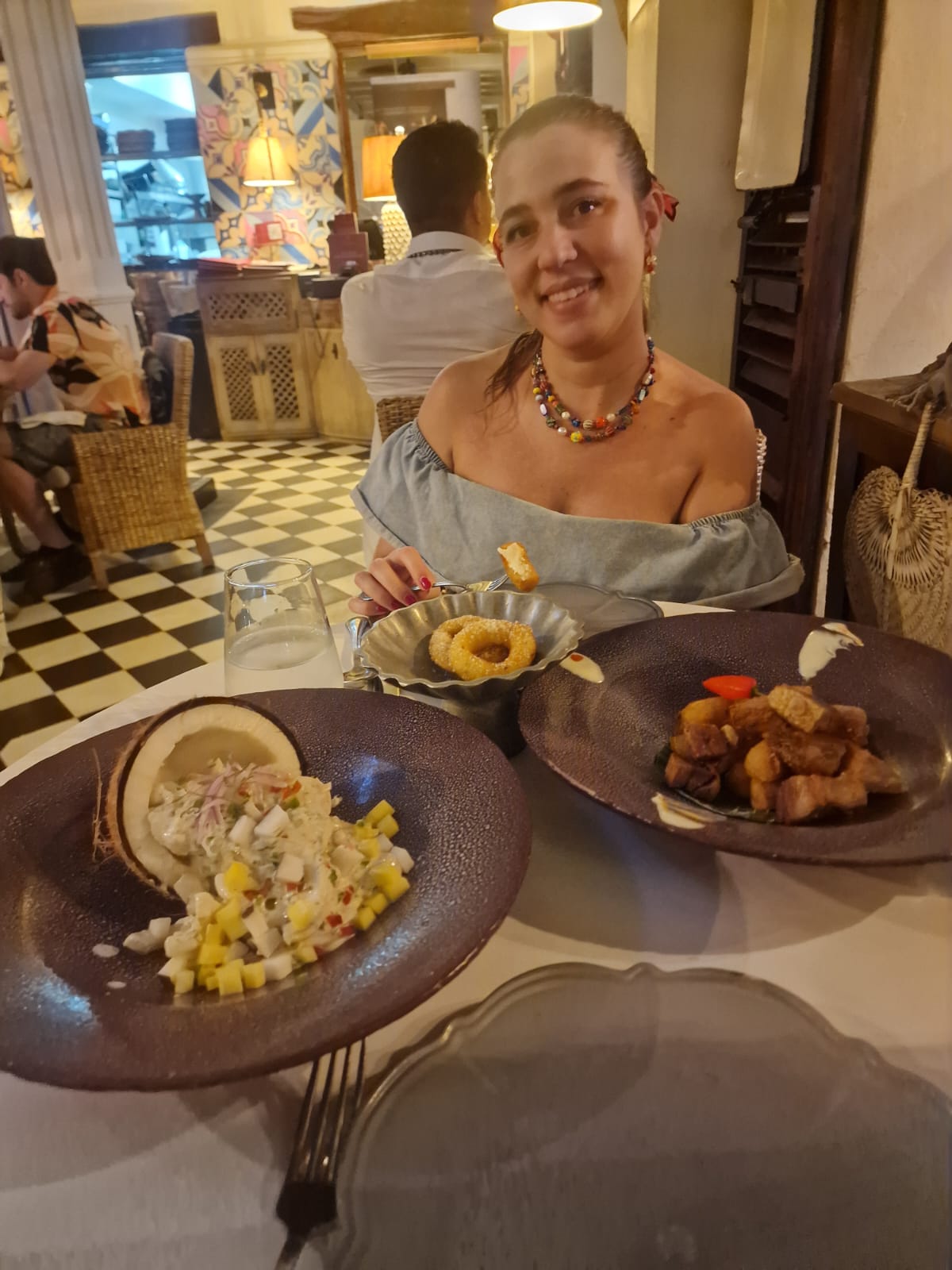
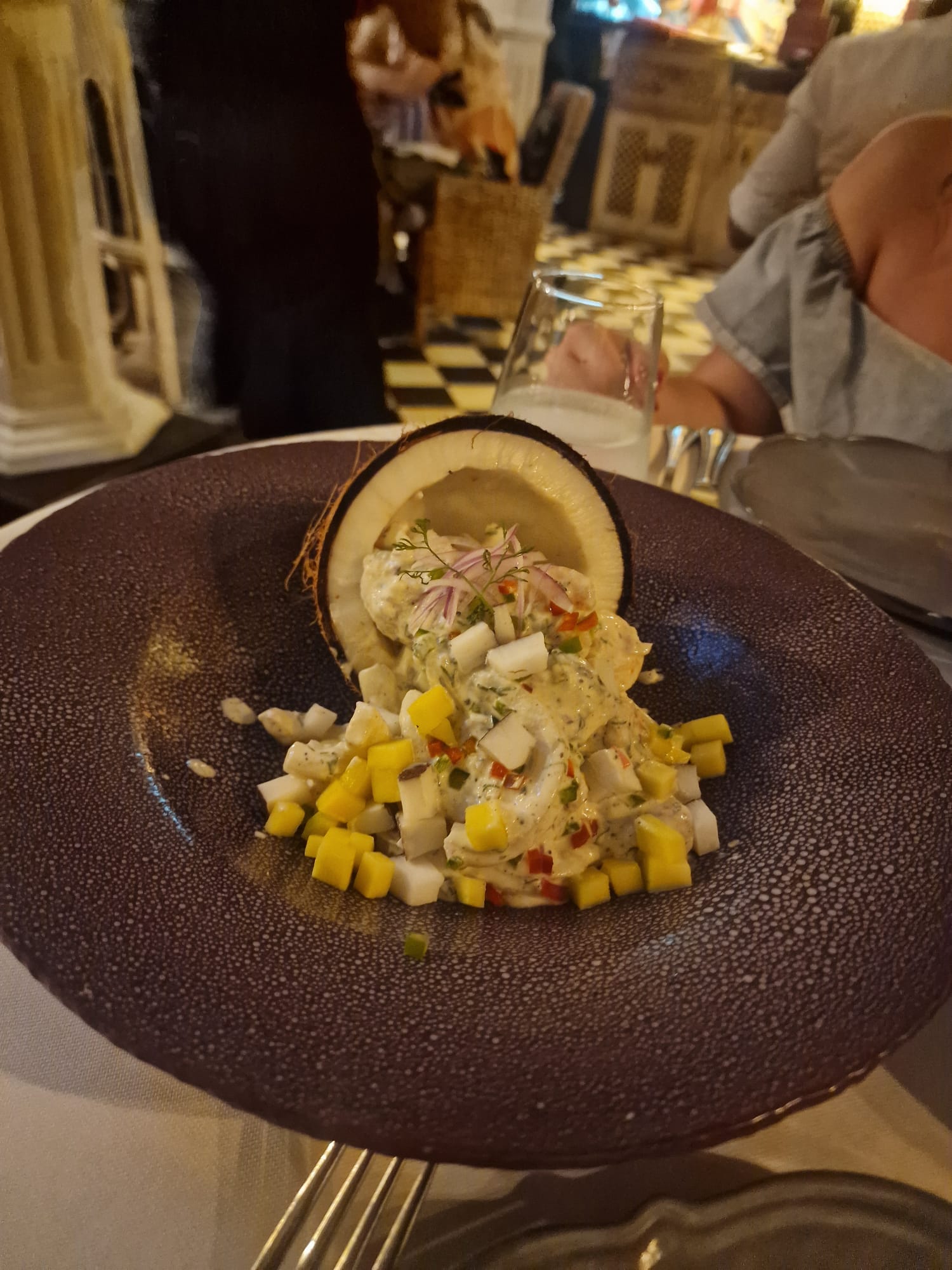
We begin in Cartagena, where the air is humid (veeeery humid!), the buildings are colourful, and the seafood is everywhere.
Yes, ceviche is famously Peruvian (shoutout to Peru), but along Colombia’s Caribbean coast, it has become a staple. Additionally, a friend from the supper club suggested I try it, and I obliged. This is where I had one of the best versions of it in my life: fresh prawns and white fish marinated in lime, mixed with red onion and coriander — often with a slightly sweeter twist than the Peruvian version. I ordered it almost daily. Zero regrets.
But Cartagena is just the beginning.
Stop 2: Isla Grande – Where the Sea Decides the Menu
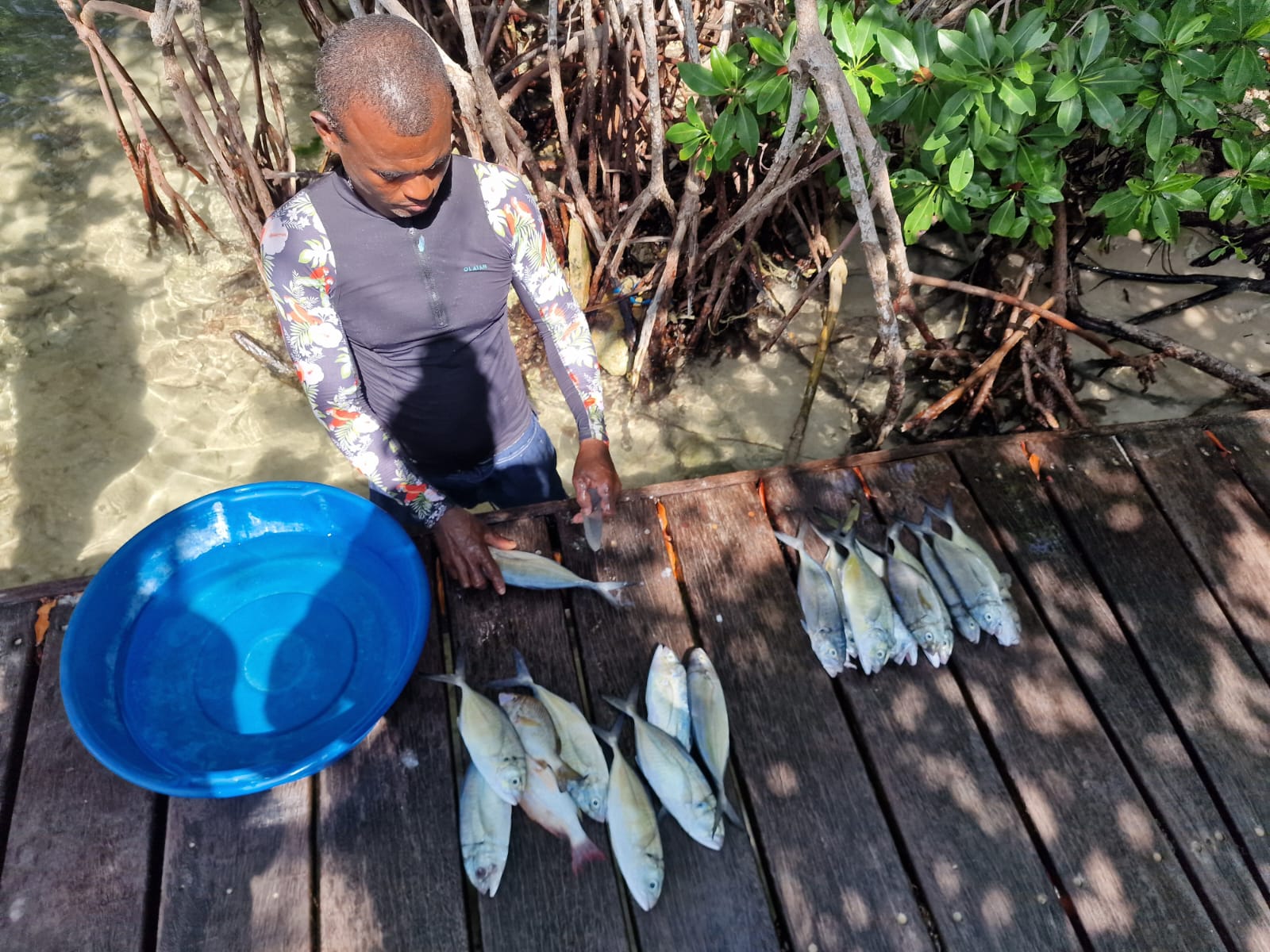
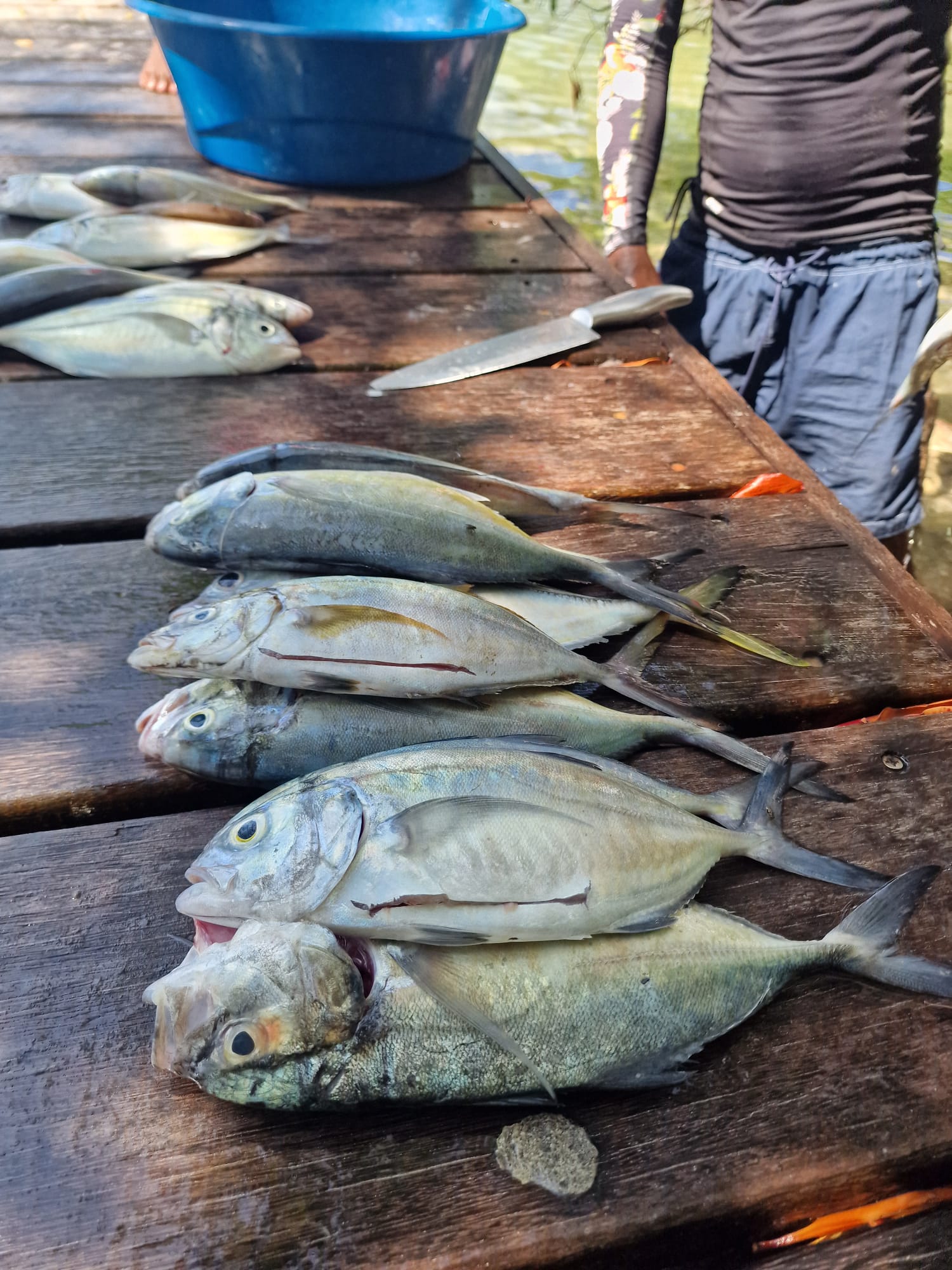
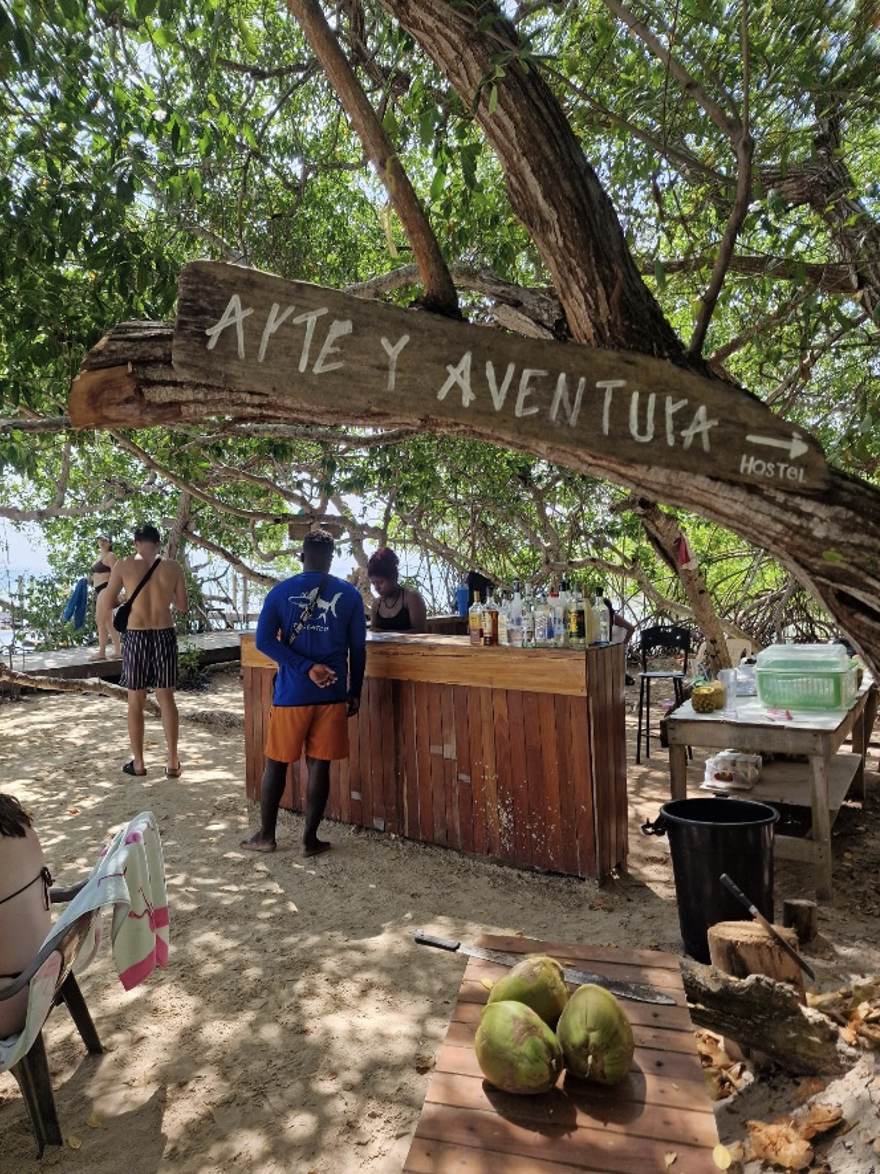
From the city, we head to Isla Grande. Here, there are no long menus … the ocean decides what you eat!
If you wake up early, you’ll see fishermen returning with the morning’s catch: lobster, snapper, and octopus still glistening. It doesn’t get fresher than this.
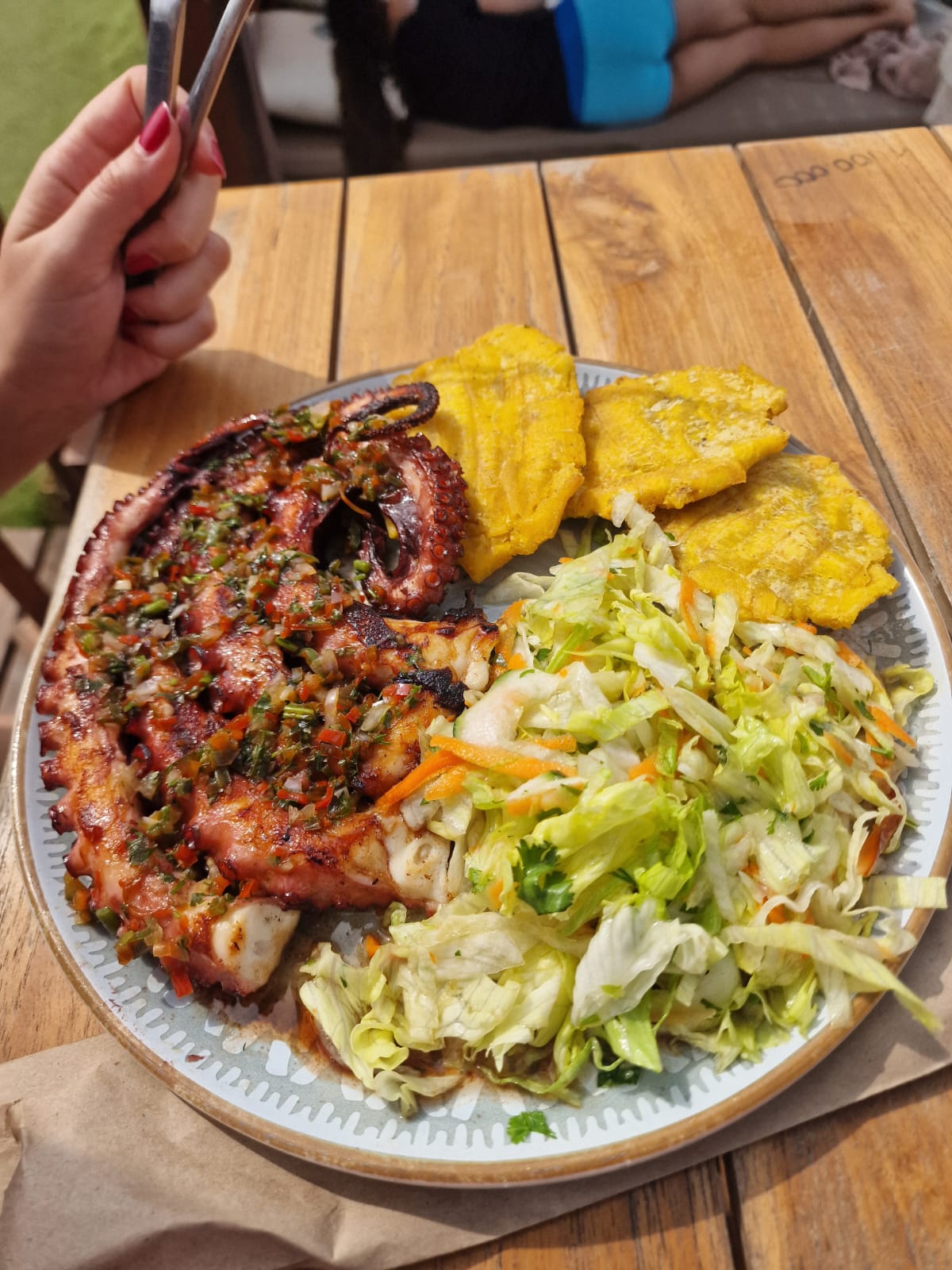
The standout? Octopus.
Grilled right on the beach, slightly charred, then finished in a rich coconut sauce. That coconut flavour is a legacy of African influence along the coast — creamy, fragrant, deeply comforting.
You’re barefoot. The sea is metres away. Smoke from the grill drifts past your table.
Ah, please take me back!
Stop 3: San Basilio de Palenque – Food with History
Next, we travel inland to San Basilio de Palenque — a small town with enormous historical importance. It was the first free African town in the Americas, founded by escaped enslaved people.
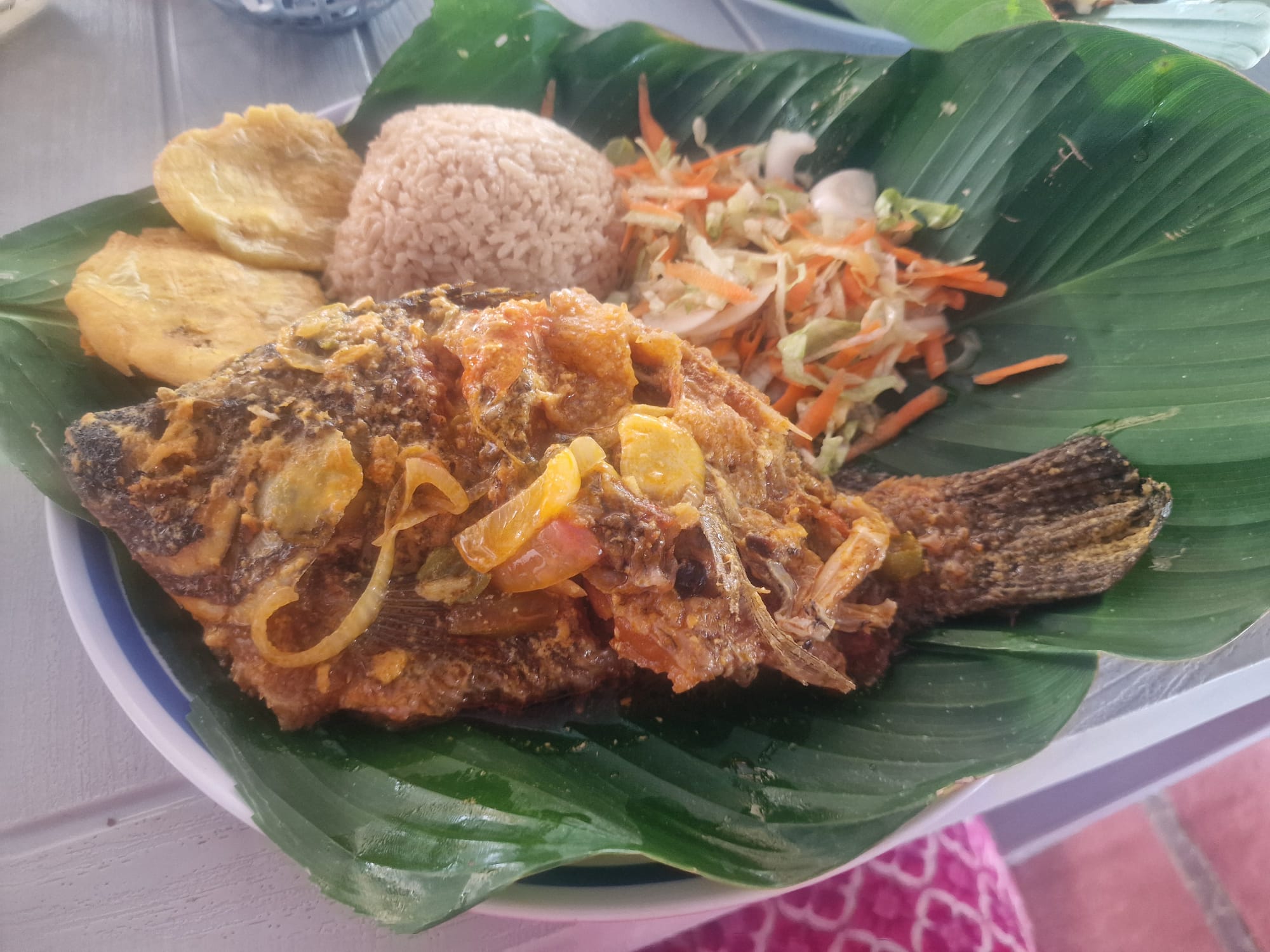
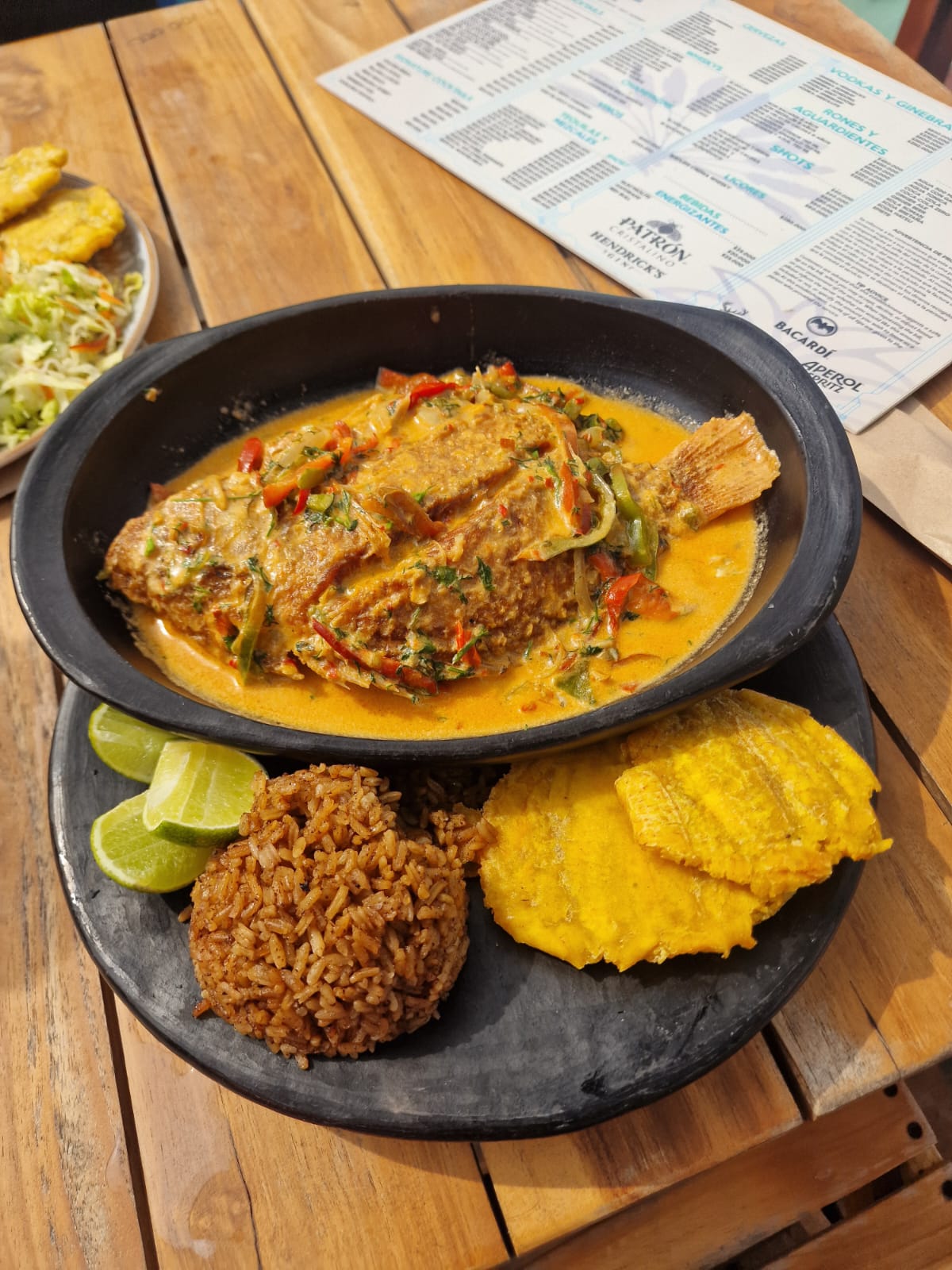
Here we had black snapper cooked gently in coconut milk, served with coconut rice, fried plantain and arepas. Coconut-based seafood dishes are everywhere on the Caribbean coast, but here they feel different. Deeper. Rooted.
I’m not sure if it was the lovely woman at the hobs or the charming history of the place, but this meal felt very special!
Stop 4: Bogotá – Into the Andes, Into Comfort Food
Now we climb.
Up in the mountains, in Bogotá, the air cools and the food becomes heartier. This is where Spanish influence becomes more obvious — grilled meats, pork, big plates built for colder weather.
We went for a mountain-sized platter of grilled meats and a glass of limonada de coco (lime blended with coconut — dangerously good).
The highlight was chicharrón: crispy pork belly with golden crackling and juicy meat underneath. Pork arrived with the Spanish centuries ago, and Colombians have perfected it ever since.
Have you ever heard of “soroche”? It is altitude sickness that you can experience in places like Bogotá. Did I experience it? Yes! Did it stop me from eating? No. That’s all I have to say.
Stop 5: Cali – The Pacific Twist
From the Andes, we move west to Cali, near the Pacific coast — and suddenly the flavours shift again.
Pacific Colombian cuisine carries strong African roots, but it’s different from the Caribbean. Less sweet, more herbaceous, deeply savoury.
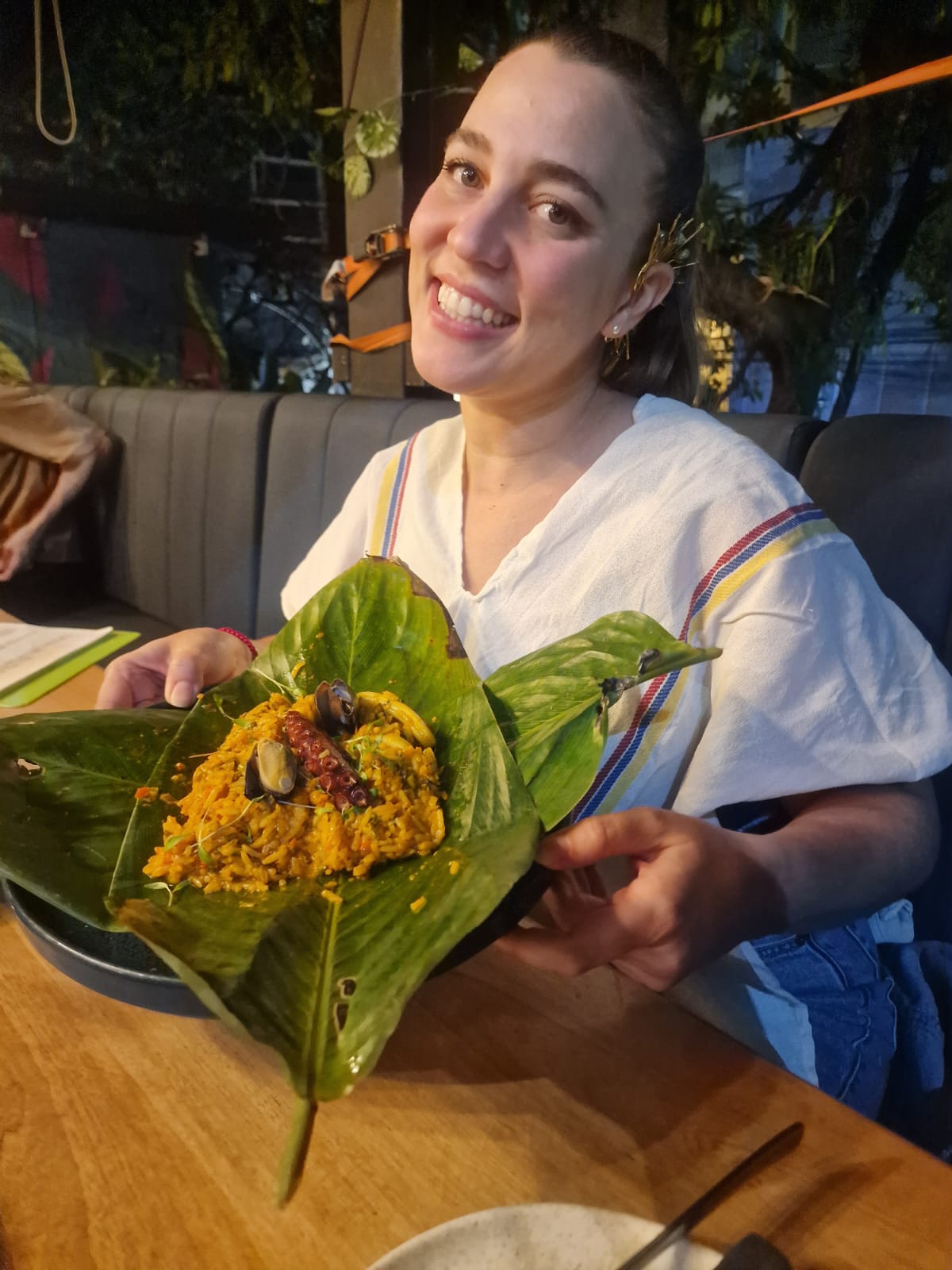
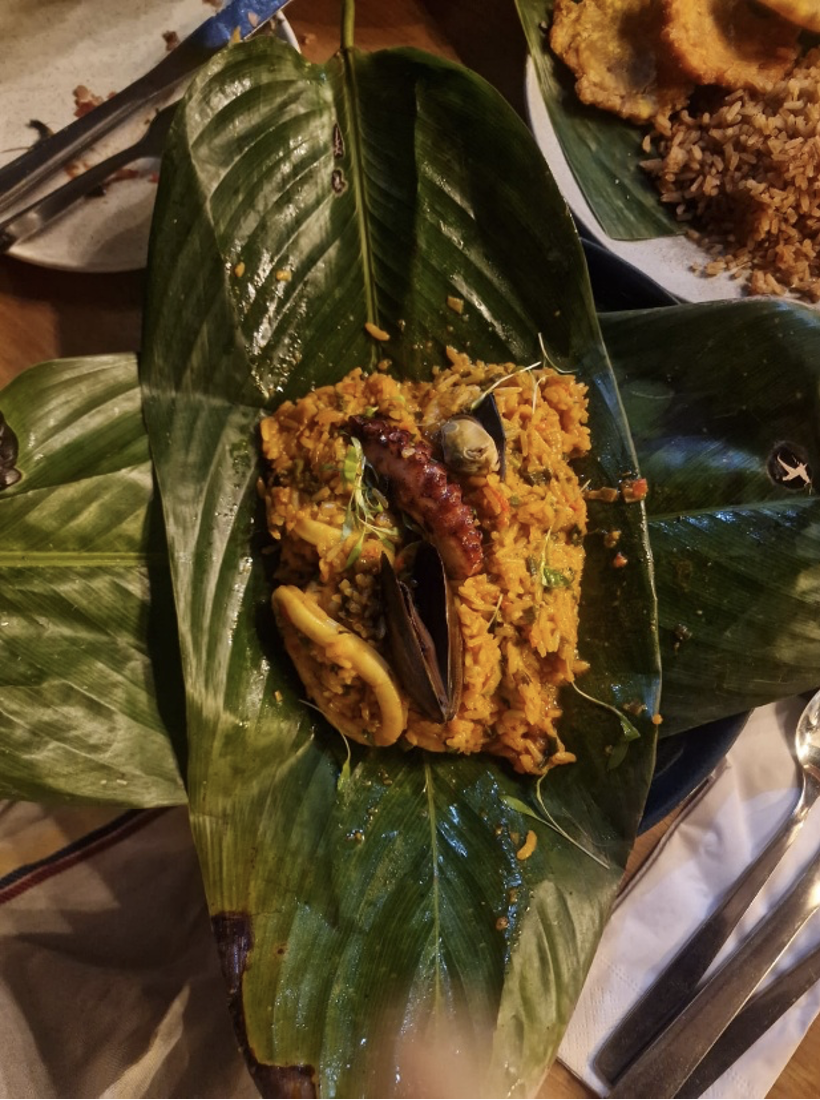
One standout dish was encocado de pescado — fish, mussels and squids slowly simmered in coconut milk with garlic, peppers and spices. Rich, aromatic, comforting without being heavy.
Final Stop: Medellín – The Legendary Bandeja Paisa
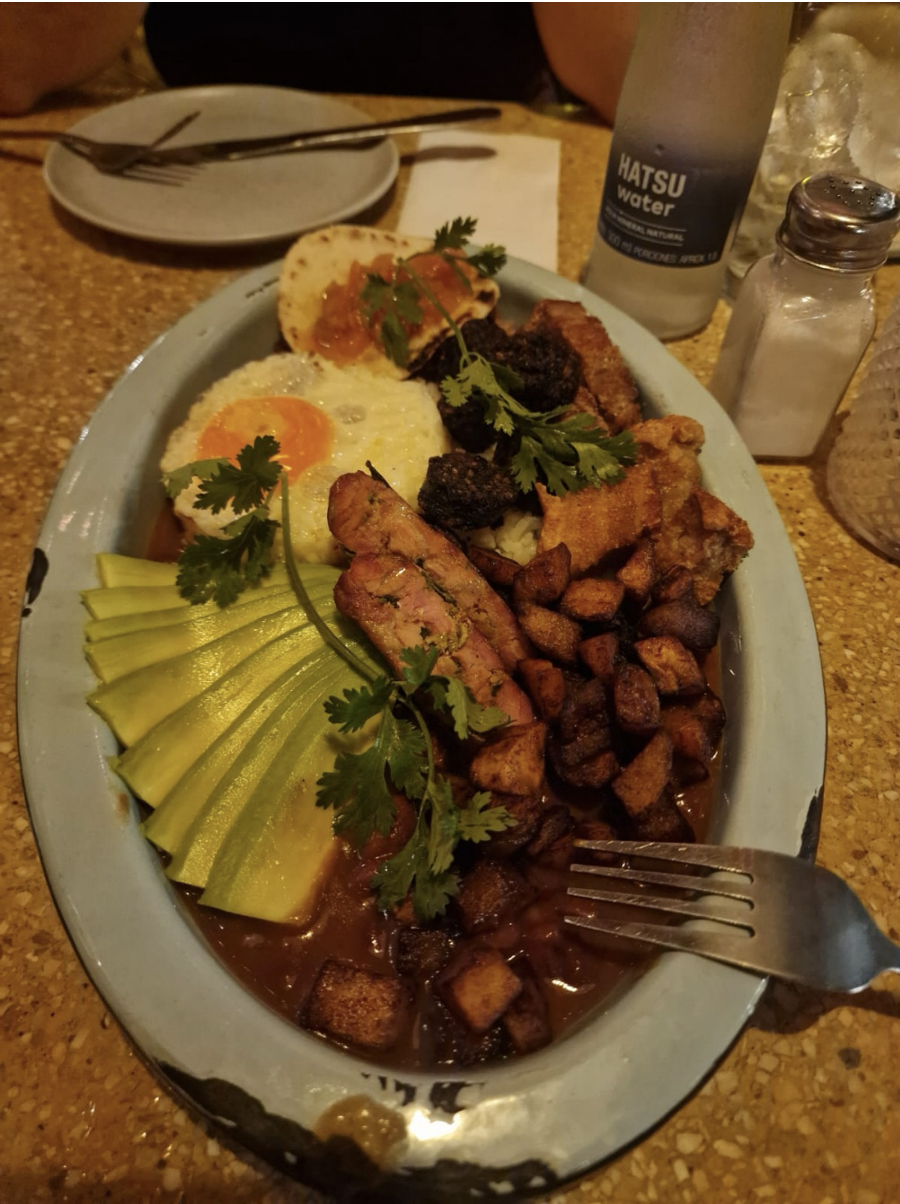
And finally, we arrive in Medellín. Here you meet the icon: Bandeja Paisa.
Rice. Beans. Ground beef. Chicharrón. Fried egg. Avocado. Plantain. Arepa. Sometimes sausage. All on one plate.
Originally created to fuel rural workers for long days of physical labour, it’s generous, and slightly overwhelming (in the best way).
You don’t “try” bandeja paisa. You commit to it.
And I did. Repeatedly.
Colombian cuisine taught me a lot about the country’s history and its people.
It starts with Indigenous ingredients like corn, cassava and tropical fruits. The Spanish brought rice, cattle and pork. African communities shaped the coastal love of coconut, plantain and seafood stews.
It’s not one cuisine — it’s MANY!
So, if you think Colombian food is just arepas, consider this your invitation to travel differently. Taste regionally. Follow the coastlines. Climb the mountains. Order the dish you can’t pronounce (you will learn eventually! 😊) and prepare to be very, very wrong in the best possible way.